Völklingen and Püttlingen Hospitals Introduce Digital Cross-Site Clinical Collaboration
SHG Clinics Völklingen and Knappschaft Clinics Saar Püttlingen have jointly introduced a new teleconsultation service. The aim is to improve collaboration between clinicians at both sites and enable faster, more efficient patient care.
The service relies on a web-based platform that allows consultation requests to be created digitally and in a structured format. Requests can include details such as urgency, the reasons for consultation, and the responsible contact person. Responses are documented centrally and remain fully traceable for everyone involved. Automatic notifications also ensure that requests are processed promptly.
More efficient collaboration between hospitals
The two hospitals already work closely together, particularly in emergency care. Until now, however, coordination often relied on telephone calls and the ad hoc exchange of patient data, with important information sometimes still having to be transferred physically – for example, on CDs. The new teleconsultation service digitises and standardises this process. Clinical information can be exchanged electronically and documented directly within the system. This eliminates the need for physical data transfer and makes specialist consultations significantly faster and more efficient.
A practical example: if a patient in Völklingen requires a surgical consultation from Knappschaft Clinics Saar Püttlingen, the request can now be submitted and processed digitally. The same applies in the opposite direction, for example, when a patient in Püttlingen requires a cardiology consultation from specialists in Völklingen. For patients, this means faster, more targeted care from specialists across the two cooperating hospitals, without unnecessary delays or additional administrative effort.
The new solution also reduces administrative workload and improves transparency. All consultation requests and responses are recorded centrally, making the entire process fully traceable at any time. This supports consistent, data-driven clinical decision-making. Data protection is another key priority. Access to patient information is strictly limited to what is required for clinical purposes and only for the necessary period of time. All data transfers take place through secure systems and comply with applicable data protection regulations.
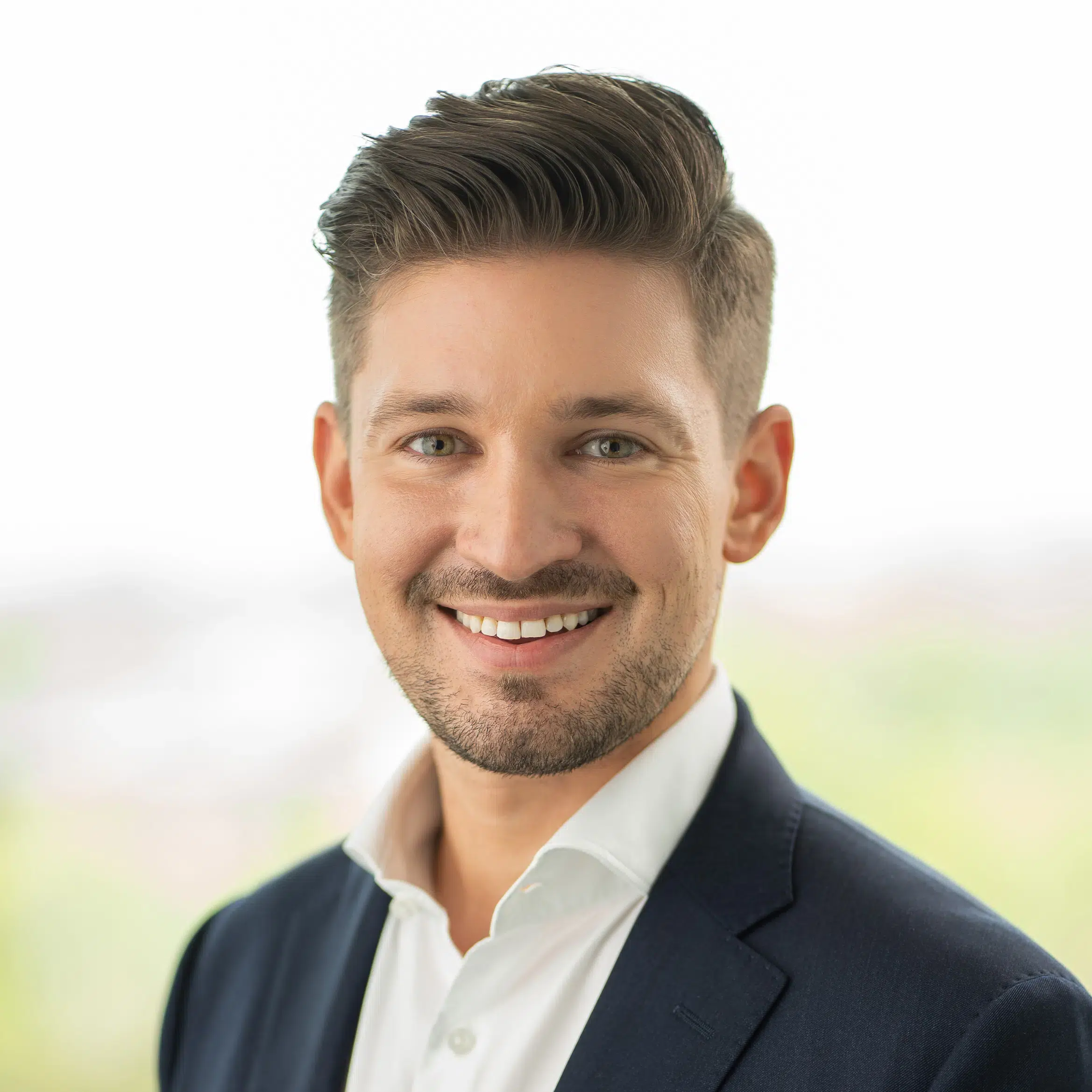
“This project lays the foundation for closely integrated, cross-site care,” says Joachim Neugebauer, Chief Commercial Officer at vitagroup. “By building on structured clinical information, hospitals can strengthen collaboration, streamline workflows, and make better-informed clinical decisions – with the clear goal of providing faster and better care for patients across the region.”
This project lays the foundation for closely integrated, cross-site care.
Joachim Neugebauer
Chief Commercial Officer, vitagroup
Foundation for more integrated care
The technical foundation of the new service is vitagroup’s Health Intelligence Platform (HIP), which enables collaboration across hospital sites while providing a shared clinical data foundation. The teleconsultation service also represents an important step towards greater connectivity across the SHG hospital network and lays the groundwork for more integrated, data-driven healthcare delivery.
“Implementation took longer than expected due to various coordination processes, including those related to the introduction of HIP at SHG Clinics Völklingen,” explains Rainer Gammel, Head of IT at SHG Clinics Völklingen. “The web-based solution was gradually adapted to meet the organisations’ requirements. We are therefore all the more pleased to have successfully implemented a practical solution that has the full support of everyone involved.”
“With the new teleconsultation service, we are strengthening long-term medical collaboration between our two hospitals,” says Lukas Bur, Administrative Director of SHG Clinics Völklingen. “Patients will benefit in particular because specialist expertise will be available more quickly and treatment pathways can be coordinated more efficiently. At the same time, we are establishing modern digital structures that support sustainable, high-quality healthcare for the region.”